


Blog posts

Sunfiber PHGG: A Gentle Prebiotic Fibre for Gut Health
Sunfiber PHGG: The Gentle Prebiotic Fibre Your Gut Will Love
When it comes to gut health, fibre is one of the most important parts of a healthy diet. Yet many people struggle to get enough fibre every day — particularly when following a low-carb, gluten-free or low-FODMAP diet.
That’s where Sunfiber PHGG can be a simple and convenient addition to your daily routine.
Sunfiber is a form of partially hydrolysed guar gum (PHGG) — a soluble, prebiotic dietary fibre made from guar beans. Unlike many traditional fibre supplements, PHGG dissolves easily in liquid without becoming thick, gritty or changing the taste of your food or drink. (Sunfiber)
What Is Sunfiber PHGG?
PHGG stands for partially hydrolysed guar gum.
Guar gum is naturally rich in soluble fibre. Through a controlled hydrolysis process, the larger guar gum molecules are broken down into smaller components. The result is a fibre that is highly soluble and low in viscosity, making it particularly easy to incorporate into everyday foods and drinks. (PubMed)
The Prebiotic Gut Fibre from ThinkFoodie contains 100% Sunfiber PHGG, with no added fillers, sweeteners or unnecessary ingredients.
It is also Monash University Low FODMAP Certified™, making it an appealing option for people looking for a low-FODMAP fibre source. (ThinkFoodie)
Why Is Fibre Important for Gut Health?
Dietary fibre plays an important role in maintaining normal digestive function.
There are different types of fibre, but soluble prebiotic fibres such as PHGG are particularly interesting because they can be fermented by beneficial microorganisms in the large intestine.
In simple terms, prebiotic fibre helps provide food for your gut microbiome.
Research into PHGG has found that it can influence the composition and activity of gut bacteria. One human clinical trial found changes in gut microbiota alongside changes in stool frequency and consistency following PHGG supplementation. (PubMed)
This is one of the reasons PHGG has become increasingly popular among people looking to support their overall digestive health.
Sunfiber PHGG and Digestive Regularity
One of the most researched areas of PHGG is its relationship with bowel regularity.
A clinical trial involving people with IBS found that 6 g of PHGG per day was associated with improvements in bloating and combined bloating-and-gas scores compared with placebo. The researchers concluded that the results supported the use of PHGG for IBS patients experiencing bloating. (PubMed)
Other research has investigated PHGG in people with irregular stool consistency. A randomised controlled trial found that three months of PHGG supplementation significantly improved stool form compared with placebo. (PubMed Central (PMC))
This doesn’t mean that PHGG is a treatment for digestive conditions, but it does highlight why this particular type of fibre has attracted so much interest.
Why PHGG Can Be Different From Other Fibre Supplements
If you’ve ever tried a traditional fibre supplement, you may have experienced the thick texture that some products develop when mixed with water.
PHGG is different.
Because it is a low-viscosity, water-soluble fibre, Sunfiber dissolves easily and doesn’t create the thick consistency associated with some other fibre products. It is also described as tasteless, colourless and odourless. (Sunfiber)
That makes it incredibly versatile.
You can mix it into:
Water
Coffee
Smoothies
Protein shakes
Yoghurt
Oats
Breakfast bowls
Sauces
Everyday recipes
ThinkFoodie’s product provides 6 g per serving, with 30 servings in each 210 g pouch. (ThinkFoodie)
Is Sunfiber PHGG Suitable for a Low-FODMAP Diet?
For people following a low-FODMAP lifestyle, choosing the right fibre can sometimes be challenging.
Not all fibre supplements are tolerated equally, which is why having a Low FODMAP Certified™ option can be useful.
ThinkFoodie’s 100% Sunfiber PHGG is Monash University Low FODMAP Certified™, making it a convenient way to increase your fibre intake while maintaining a low-FODMAP approach. (ThinkFoodie)
As always, individual tolerance can vary, particularly for people with sensitive digestion.
How to Add Sunfiber to Your Daily Routine
One of the biggest advantages of PHGG is how easy it is to use.
Simply add your serving to your favourite drink or meal and mix well.
Because Sunfiber has very little impact on taste and texture, you don’t need to completely change what you’re eating.
Morning
Add Sunfiber to:
Coffee + protein powder + milk of your choice
Breakfast
Mix it through:
Yoghurt + berries + your favourite low-carb toppings
During the Day
Stir it into:
Water, sparkling water or a smoothie
Evening
Add it to:
A meal, yoghurt or another suitable drink
The key is consistency. Adding a small amount of fibre to your daily routine can be much easier than trying to dramatically increase fibre intake overnight.
A Simple Way to Support Your Daily Fibre Intake
If your diet is naturally low in fibre, adding a soluble prebiotic fibre can be a convenient way to bridge the gap.
This can be particularly relevant for people following:
Low-carb diets
Keto-style diets
Low-FODMAP diets
Gluten-free diets
High-protein diets
Busy lifestyles where getting enough fibre from whole foods can be difficult
Of course, fibre supplements aren’t a replacement for a varied diet. Vegetables, fruit, nuts, seeds, legumes and whole grains can all contribute valuable fibre and nutrients.
Think of Sunfiber as a simple addition to an already healthy diet.
Why Choose ThinkFoodie’s 100% Sunfiber?
ThinkFoodie’s Prebiotic Gut Fibre – 100% Sunfiber (PHGG) keeps things simple.
It’s made with:
100% Sunfiber PHGG
No unnecessary fillers.
No added sweeteners.
No complicated ingredients.
Each 210 g pouch contains 30 servings, with 6 g of Sunfiber per serving. (ThinkFoodie)
And because it is practically tasteless and dissolves easily, it’s one of the easiest ways to make fibre part of your everyday routine.
The Bottom Line
Gut health doesn’t have to be complicated.
Getting enough fibre, eating a varied diet, staying hydrated and maintaining healthy lifestyle habits are all important foundations for digestive wellbeing.
For people looking for a gentle, soluble prebiotic fibre, Sunfiber PHGG is an interesting option backed by a growing body of research.
Its versatility, easy mixing and Low FODMAP certification make it particularly convenient for people who are mindful of their digestion or have specific dietary requirements.
Ready to Add More Fibre to Your Day?
If you’re looking for an easy way to incorporate prebiotic fibre into your daily routine, check out ThinkFoodie’s 100% Sunfiber PHGG Prebiotic Gut Fibre.
Shop Sunfiber PHGG Prebiotic Gut Fibre at ThinkFoodie
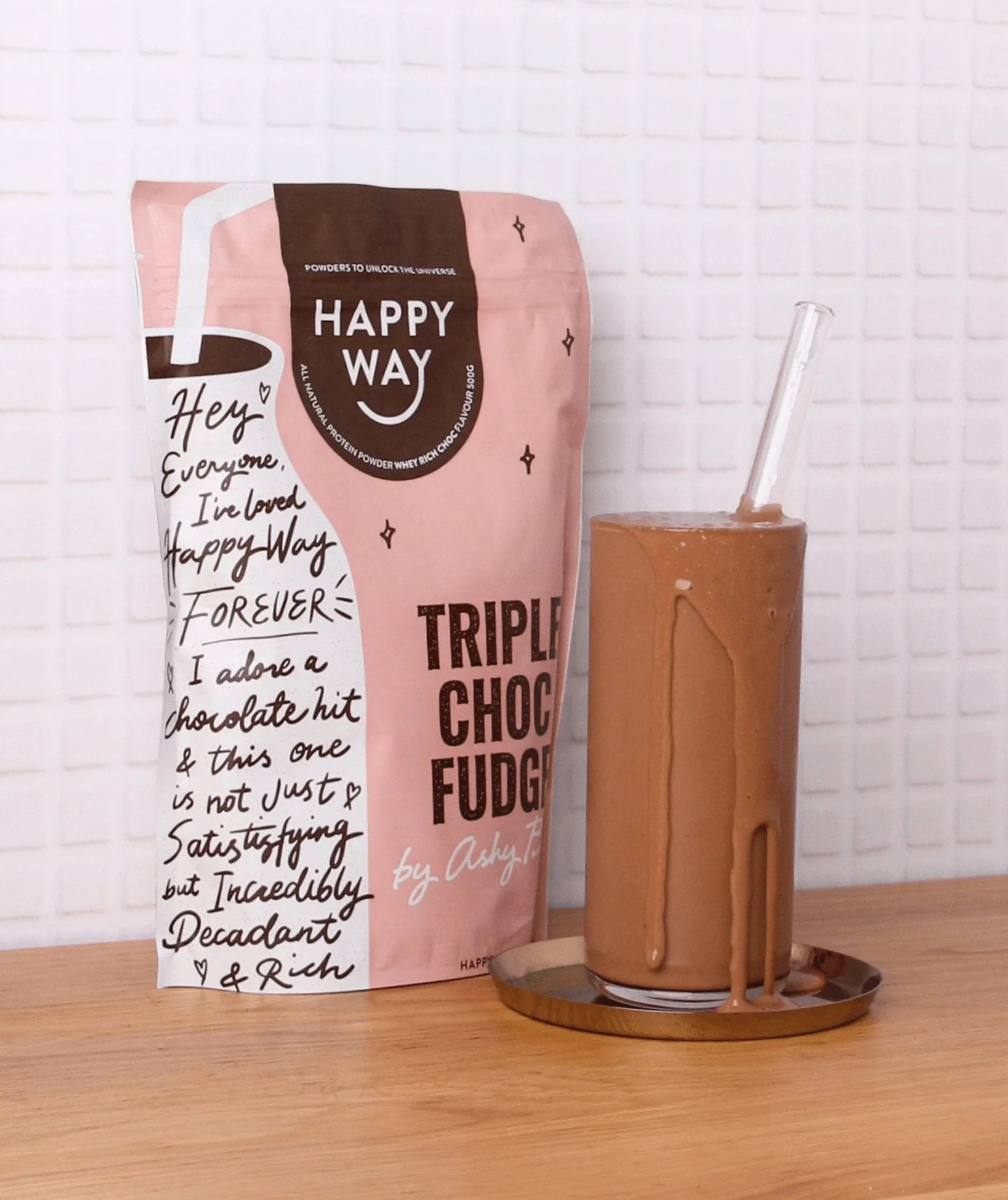
INGREDIENTS
1 scoop (30 g) Happy Way Triple Choc Fudge Whey or Vegan Protein Powder
200 ml water or milk of choice
1 ripe banana
Handful ice
METHOD
Blend all the ingredients together until smooth, pour into a tall glass and enjoy!
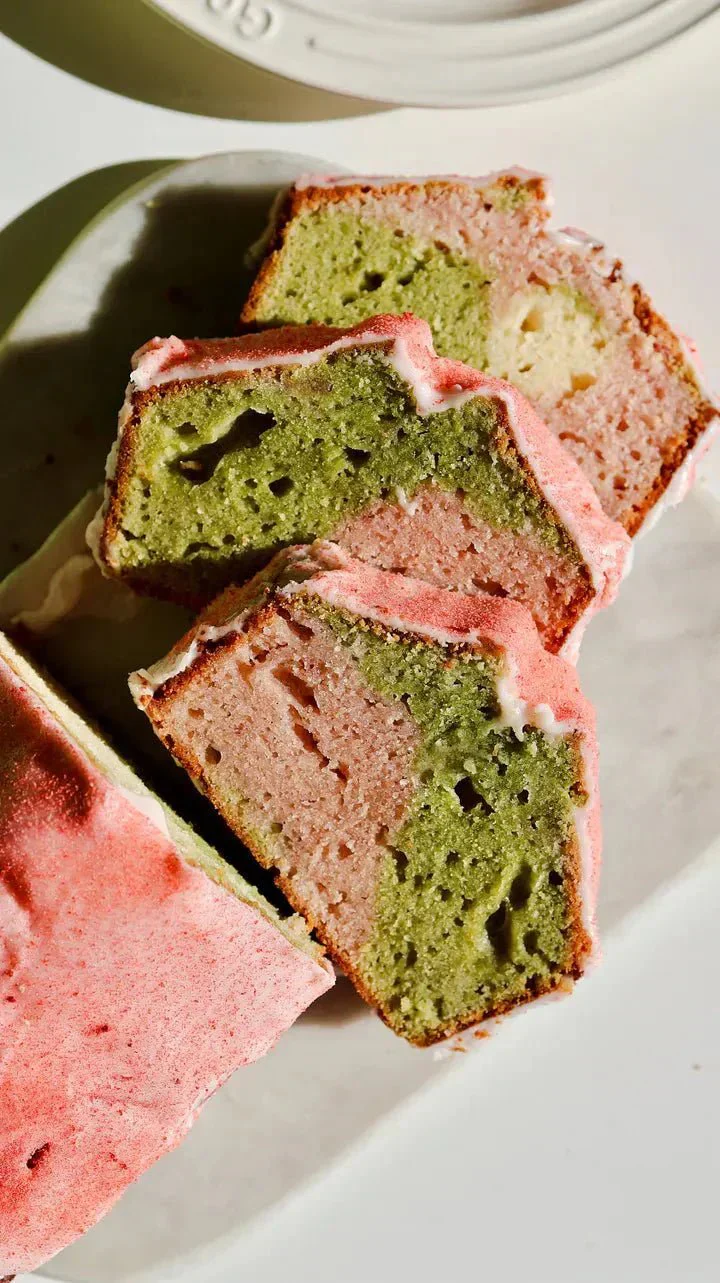
INGREDIENTS
260g plain flour
2 tsp baking powder
¼ tsp salt
160g unsalted butter, melted and cooled
140g caster sugar
2 eggs
240g sour cream or yoghurt
2 tsp vanilla extract
2 tsp Happy Way Matcha Powder
2 tsp freeze-dried strawberry, crushed into a fine dust
250g icing sugar, sifted
1-3 tbsp of milk
Pink food colouring (optional)
METHOD
Preheat oven to 175°C. Grease and line a loaf tin with baking paper.
In a large bowl, whisk together the flour, baking powder and salt.
In another bowl, whisk the melted butter, sugar, eggs, sour cream (or yoghurt) and vanilla extract until smooth.
Pour the wet ingredients into the dry ingredients and stir until just combined. Don’t overmix, otherwise the batter may become rubbery.
Divide the batter into three small bowls. In the first bowl, mix in the matcha powder. In the second bowl, mix in the freeze-dried strawberry powder. Leave the third bowl of batter plain.
Spoon alternating dollops of matcha, strawberry, and plain batter into the prepared loaf tin, then smooth the surface with a palette or butter knife.
Bake for 45-50 minutes, or until a skewer inserted in the centre comes out clean.
Let it cool in the tin for 5 minutes, then transfer to a wire rack to cool completely.
Meanwhile, place the sifted icing sugar into a mixing bowl and add 1 tablespoon of milk. Whisk until combined, then add another tablespoon if needed. The milk will absorb into the icing sugar quickly, so be sparing with how much you add.
Add a small drop of pink food colouring (or some leftover freeze-dried strawberry powder) and whisk again.
When the cake has cooled completely, drizzle the icing over the top and let it dribble down the sides. Finish with a dusting of freeze-dried strawberries, then slice and serve.
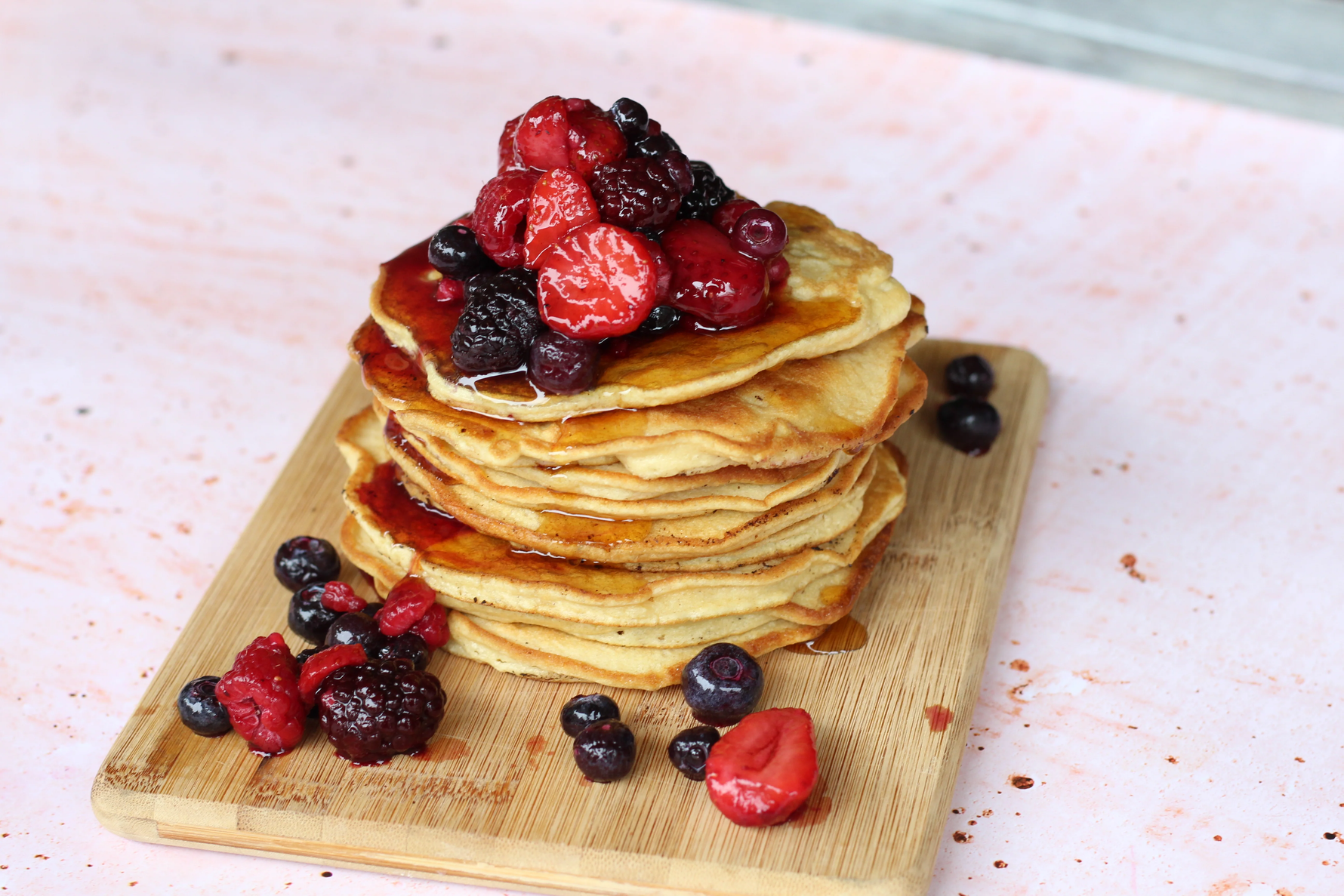
Vanilla Pancakes
-makes 8-10
4 eggs
1 tsp apple cider vinegar
1/4 cup milk of your choice
1/3 cup Keto Collagen powder flavour of choice
1/3 cup tapioca
1/4 cup coconut flour
1/2 cup almond meal
1/2 tsp bicarb soda
Add eggs, milk and ACV to a blender and blend until smooth, add remaining ingredients and blend briefly to combine. Heat a small frying pan with a little butter/coconut oil or olive oil and cook pancakes to your liking. Serve with your favourite toppings.

Why Our Honestly Good Gluten-Free Low-Carb Baking Range Is a Total Game-Changer
Why Our Honestly Good Gluten-Free Low-Carb Baking Range Is a Total Game-Changer
At Honestly Good, we don’t just make baking mixes—we create feel-good food you can trust. Our gluten-free, low-carb baking range is crafted with purpose, using only clean, wholesome ingredients. Whether you’re following a low-carb lifestyle, managing food sensitivities, or just love real food that tastes amazing, our baking mixes are designed with you in mind.
Clean Ingredients, No Compromises
Let’s face it—reading ingredient labels shouldn’t feel like decoding a science experiment. That’s why every product in our range is free from fillers, preservatives, and weird stuff you can’t pronounce. We focus on simple, nutrient-dense ingredients that nourish your body and satisfy your sweet tooth. No gluten. No added sugar. No nasties. Just Honestly Good food.
Proudly Made in New Zealand
From blend to bake, our products are designed, blended, and packed right here in New Zealand. Supporting local means fresher ingredients, tighter quality control, and investing in our communities. We work with passionate foodies and nutrition experts to make sure every batch delivers the texture, taste, and goodness you deserve.
Baking That Fits Your Lifestyle
Our low-carb brownie mix? Fudgy and rich. Our lemon slice? Zesty and refreshing. Our pancake and waffle mix? Fluffy, golden perfection. Whether you’re keto, coeliac, or just carb-conscious, our baking range gives you the freedom to enjoy delicious treats without compromising your health goals.
Honestly Good, Inside and Out
We believe good food starts with good values. That’s why our packaging is thoughtfully designed, our ingredients are carefully sourced, and our mission is simple: to make better-for-you baking accessible, easy, and delicious.
Ready to level up your pantry? Try Honestly Good baking mixes and taste the difference clean, low-carb baking can make.

Make your own Authentic guacamole with the same punchy flavours. It’s delicious and extremely simple to make, it uses fresh, high quality ingredients. All you need is avocados, tomatoes, FreeFod garlic/onion replacer, lemon juice, salt and pepper. Easy and delicious!Serves 4 as a starter, 15-minute preparation.
Ingredients:
2 x Ripe Hass Avocados
5 x Cherry Tomato finely chopped
1 tsp of FreeFOD garlic replacer
½ tsp of FreeFOD onion replacer
¼ tsp Salt/Pepper to taste
1 Squeeze of lemon juice to taste
Directions:
Cut and remove the flesh of the Avocados and mash with a fork to a smooth consistency.
Add all remaining ingredients to the Avocados and mix until combined.
Serve with your favourite low Fodmap corn chips or as a spread/dip.
The lemon will help stop the Guacamole from turning brown, but it is best to consume immediately after making.
Tip * If you must choose between hard or mushy avocados, then choose the hard ones. Place them in a paper bag with a couple of bananas as the ethylene gas released by the bananas will ripen them overnight
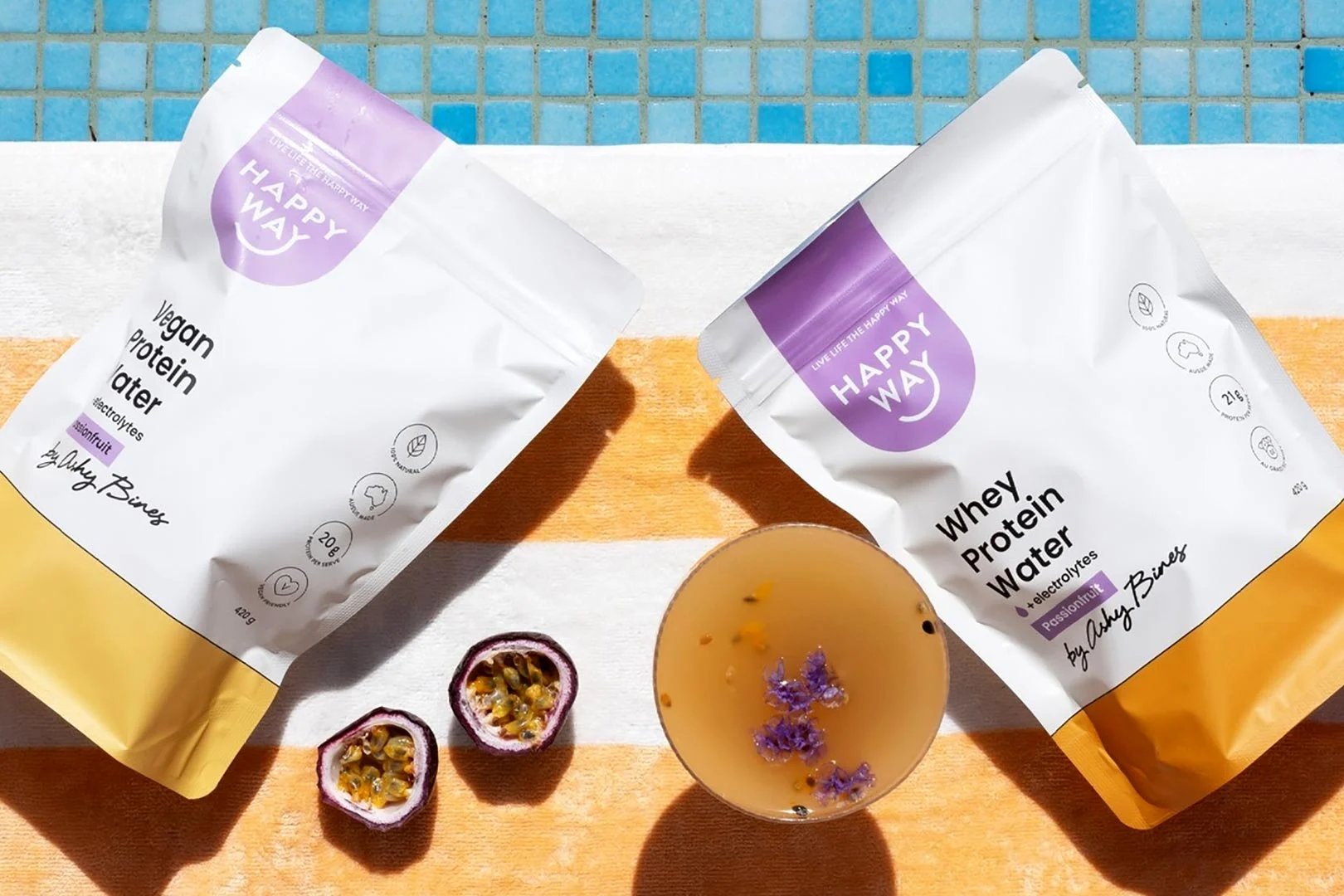
Navigating Protein Waters for Bariatric Patients: Featuring Ashy Bines Protein Water
Embarking on a journey towards better health after bariatric surgery requires careful attention to nutrition and dietary planning. Protein is a key component in post-surgery diets, and incorporating high-quality protein sources is crucial. At ThinkFoodie, we recognize the unique nutritional needs of bariatric patients and offer a variety of protein waters designed to meet these needs. Among our top recommendations is Ashy Bines Protein Water. Read on to discover how protein waters can benefit you and why Ashy Bines is a standout choice.
Why Protein is Vital for Bariatric Patients
Post-bariatric surgery, your body undergoes significant changes that necessitate an increase in protein intake. Here's why protein is essential:
Muscle Maintenance: Protein helps preserve and rebuild muscle mass, which is critical as your body adjusts to a new metabolism and possibly reduced caloric intake.
Healing and Recovery: Adequate protein supports the healing of surgical sites and promotes overall recovery, aiding in a quicker and more effective healing process.
Satiety: High-protein foods can help you feel fuller for longer, which is essential for managing portion sizes and preventing overeating.
Why Choose Protein Waters?
Protein waters are becoming increasingly popular among bariatric patients for several reasons:
Hydration and Protein in One: Protein waters combine hydration with high-quality protein, offering a convenient solution for meeting both fluid and protein needs, especially important for managing fluid intake carefully.
Light and Digestible: Protein waters are typically lighter and easier to digest than traditional protein shakes or whole protein-rich foods, making them ideal for post-surgery diets.
Flavor Variety: With a range of flavors available, protein waters can make sticking to your dietary goals more enjoyable and less monotonous.
Ashy Bines Protein Water: A Top Choice
Among the protein waters available at ThinkFoodie, Ashy Bines Protein Water stands out for its exceptional quality and benefits:
High-Quality Protein: Each serve of Ashy Bines Protein Water delivers a substantial amount of high-quality protein, ensuring you get the nutrients you need without excess calories.
Low in Sugar: Designed with bariatric patients in mind, Ashy Bines Protein Water contains minimal sugar, helping you stay within your nutritional goals while adhering to dietary restrictions.
Refreshing Flavors: Available in a variety of delicious flavors, Ashy Bines Protein Water adds a touch of enjoyment to your protein intake, making it easier to stick to your diet.
Incorporating Ashy Bines Protein Water Into Your Diet
To maximize the benefits of Ashy Bines Protein Water, consider these tips:
Post-Workout Recovery: Drink a bottle after workouts to support muscle recovery and meet your protein needs effectively.
Between Meals: Use Ashy Bines Protein Water as a nutritious snack to help manage hunger and ensure a steady protein intake throughout the day.
Hydration Support: Integrate it into your daily hydration routine, especially if you need a balanced approach to fluid and protein consumption.
For bariatric patients, managing protein intake is crucial for post-surgery success and overall health. Protein waters, particularly Ashy Bines Protein Water, offer a convenient, delicious, and effective way to meet these nutritional needs. At ThinkFoodie, we are dedicated to providing products that support your health journey. Explore our selection, including Ashy Bines Protein Water, at ThinkFoodie and find out how it can be a valuable addition to your diet.
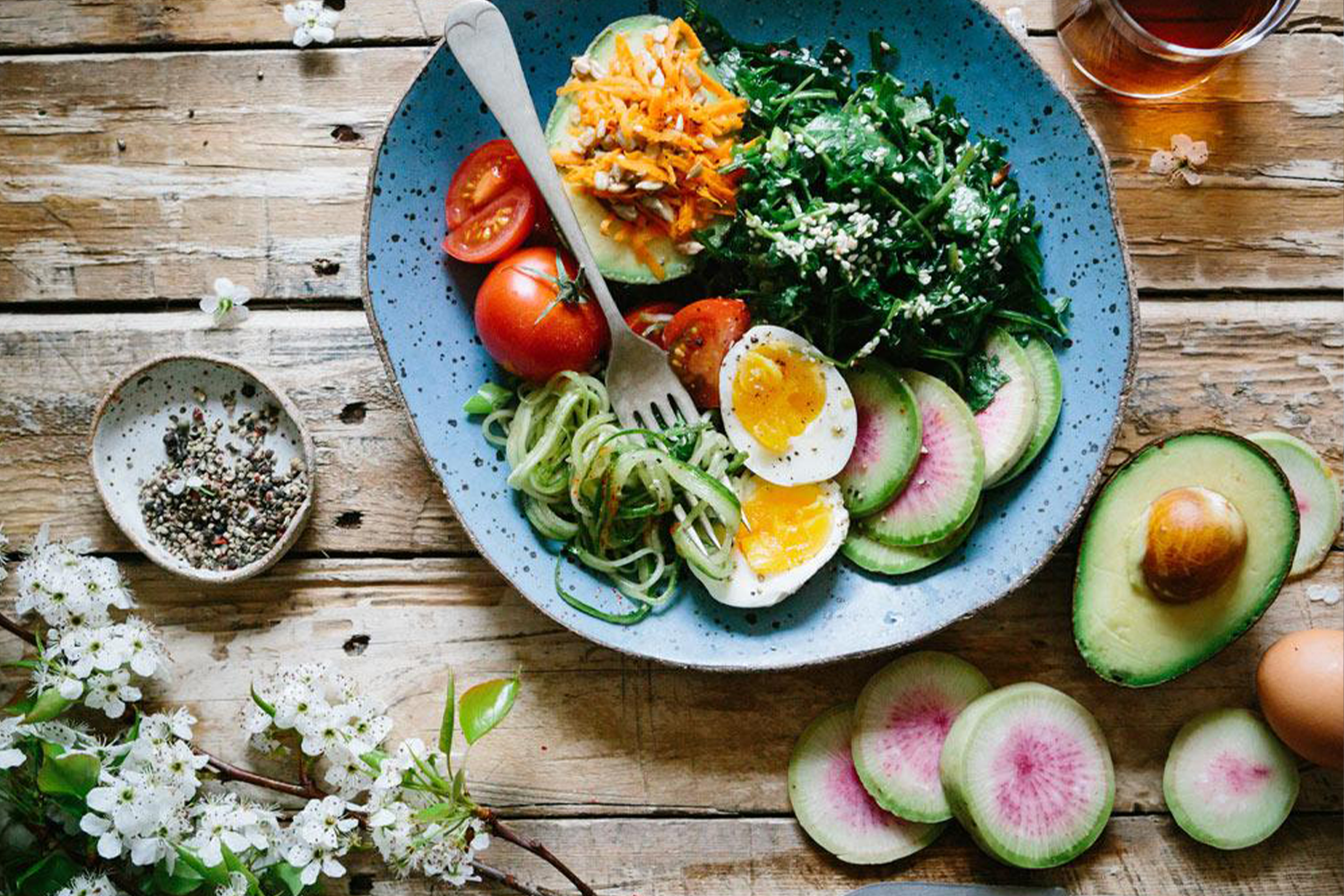
You may be wondering what the hell are FODMAPs?
Well, FODMAP is an acronym for
Fermentable
Oligosaccharide
Disaccharide
Monosaccharide
And
Polyols
If you’ve just thought “wtf does all that mean?” – don’t fret. To put it simply, FODMAPs are a group of carbohydrates found within certain foods and drinks that can trigger bloating, stomach cramps, constipation, diarrhoea and gas. If you suffer from irritable bowel syndrome (IBS) or common digestive disorders, consuming a low-FODMAP diet might provide you with some relief.
Studies show that FODMAPs are resistant to digestion, they produce hydrogen within the body leading to gas, bloating, stomach pain, constipation etc. When FODMAP specific food reaches the colon, it becomes fermented and is used as fuel by your gut bacteria. This can cause your body to draw water into the intestine, resulting in diarrhoea. Not fun...
By following a low-FODMAP diet, you may find numerous benefits and relief from IBS like symptoms. Studies have shown, individuals have noticed relief within a week by following a low-FODMAP diet as well as many psychological benefits, such as decreased stress and anxiety.
Benefits
Decreased gas, bloating, diarrhoea, constipation, stomach cramps.
If you are unsure of which foods you can and can’t eat, don’t worry. We have taken the guess work out for you, here are some examples of foods that are high and low in FODMAPs.
Foods High in FODMAPs
Fruits:Apples, apricots, blackberries, cherries, canned fruits, figs, dates, pears, peaches and watermelon.
Sweeteners: Fructose, honey, corn syrup
Dairy Products: Milk, ice creams, some yoghurts, sour cream, soft cheeses and whey protein.
Vegetables: Artichokes, asparagus, cauliflower, broccoli, beetroot, onion, mushrooms, fennel.
Legumes: Beans, chickpeas, lentils, red kidney beans, baked beans and soybeans
Wheat: Bread, pasta, tortillas, pancakes, waffles and some breakfast cereals.
Other: Barley and Rye
However, don’t let that list scare you and think, sh*t what can I eat then?Below is a list of foods that are Low-FODMAP friendly.
Foods Low in FODMAPs
Red and white meat, seafood, eggs
Fats and oils
Herbs and spices
Nuts and seeds (excluding pistachios)
Fruits: Bananas, blueberries, grapes, kiwifruit, lemons, limes, oranges, passionfruit, strawberries, melons (excluding watermelon)
Sweeteners: Stevia, maple syrup, molasses
Dairy: Lactose-free, hard cheeses and aged cheeses (Brie & Camembert)
Grains: Oats, corn, rice, quinoa, tapioca
Vegetables: Capsicum, cucumbers, eggplant, bokchoy, green beans, carrots, celery, olives, potatoes, sweet potatoes, parsnip, squash, zucchini, lettuce, kale and spinach.
Other: Tea and coffee.
That last one is our favourite, Beforeyouspeak coffee is FODMAP friendly! 😉
So, if you suffer from IBS or IBS-like symptoms, we suggest eliminating all FODMAP foods from your diet and, over time, reintroduce three to four at a time. This way you will be able to identify which foods are triggering your symptoms and hopefully provide you with some relief!
Shipping info

**Free Shipping on orders over $140 - excludes Rural, Great Barrier, Waiheke Island and Chatham Islands.